
Inside the World of Art Therapy
Art Therapy For Beginners
Gather Clinical Counselling is so excited to share that we have a talented art therapist, Marissa McNeill, at our practice. At Gather, we believe healing can happen in many different ways and we are grateful to be expanding the range of supports available to our community.
To help you get to know this approach a little better, we asked Marissa to offer some insight into what art therapy means and what it can look like in practice. Whether you’re curious about creative approaches to therapy or wondering if this modality might be a good fit for you, we hope the information below helps you feel informed, empowered, and supported as you consider what approach feels right for you.
Here is what Marissa had to say!
What Is Art Therapy?
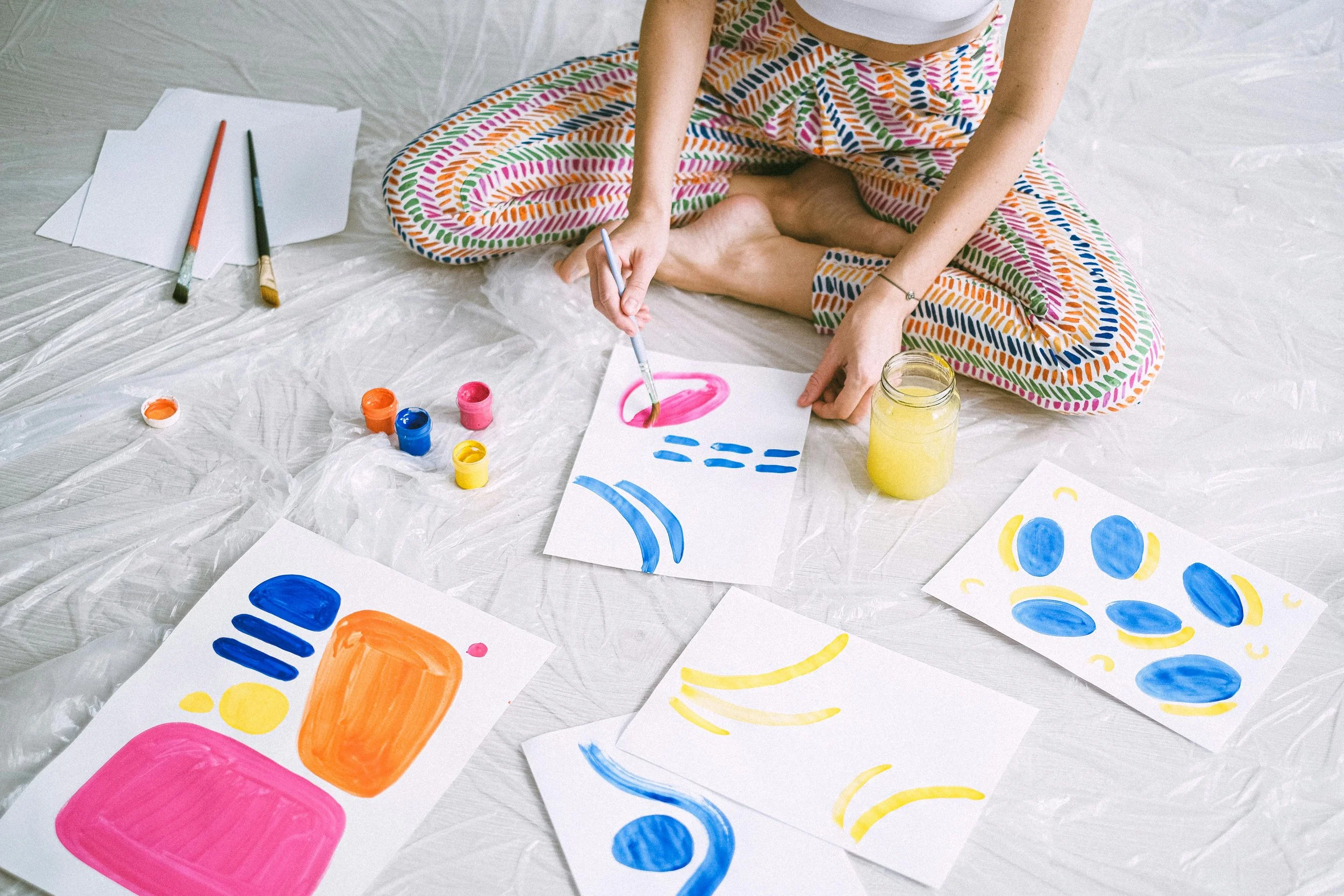
Art therapy (sometimes called expressive arts therapy) is a growing and creative approach to counselling that goes beyond just talking. Sometimes it’s hard to put your experiences into words. Art therapy gives you another way to explore what’s going on through images, colour, movement, texture, and symbols.
It blends creativity with psychology to help you explore your thoughts and emotions, process difficult experiences, and better understand yourself. You don’t need to be “good at art” to benefit. It’s not about making something perfect, it's about expressing what’s true for you.
Art therapists are trained to use art to help people heal and express themselves. They understand how to support clients through creative activities and how to respect and explore the meaning of the artwork people create.
They know how different materials (like paint, clay, or collage) can create different feelings and experiences. They also help people manage and safely express strong emotions through art.
Who Are Art Therapists?
Art therapists are mental health professionals with training in both counselling psychology and fine arts. They’ve completed an in-depth diploma or master’s degree in art therapy, along with six hundred hours of supervised practicum experience.
In British Columbia, registered art therapists are members of professional associations like the BC Art Therapy Association (BCATA) or the Canadian Art Therapy Association (CATA). This means they follow ethical guidelines, carry liability insurance, and continue ongoing supervision and professional development to make sure you receive quality care.
What Can Art Therapy Help With?
Art therapy is well-documented to support people of all ages with many different challenges, including:
Trauma and stress-related experiences
Anxiety and depression
Substance use and addiction
Life transitions
Developmental disorders and disabilities
General coping and emotional regulation
Because art therapy is a trauma-informed approach, it offers a gentle roadmap for healing that honours the complexities of trauma and the after-effects of living in survival mode.
Art therapy fosters insight, identity development, and coping strategies, so you can feel better equipped to handle life’s challenges as they arise. As you process traumatic experiences and practice emotional regulation through the creative process, you’re supported in moving forward toward a place of greater flow and growth.
This approach engages your body, senses, and imagination in a non-verbal way, helping you work through wounds that may run deeper than words alone can reach.
What Does an Art Therapy Session Look Like?
Art therapy sessions are shaped around you and your needs.
If you prefer structure (especially at the beginning) your session might start with a simple check-in art activity. For example, you could create an “inside-outside weather report,” drawing two symbols: one that represents how you’re feeling on the outside (what others see), and one that represents how you’re feeling on the inside. This quick activity can help you tune in and set a direction for the session.
Afterward, you and your art therapist will talk about what came up during the process. Sometimes the artwork naturally guides what you’d like to explore next. If not, you might share something that feels important to process that day. Your art therapist may also suggest a specific creative prompt based on what you’re working on.
Then you’ll spend most of the session creating, with the therapist giving thoughtful attention to material choices, the sensory experience, and with enough time at the end to reflect together on what the process and the artwork meant for you.
If you prefer a more open approach, sessions can be less structured. Creativity and play with materials are in and of themselves beneficial. You might bring in your own artwork or simply explore materials freely. Creativity and play can be healing on their own. Your art therapist will gently support you by asking questions about your process (what the materials feel like in your hands, what you’re noticing emotionally, what you’re hoping for) which help you build awareness while feeling witnessed and supported.
What Happens to the Art You Make?
Your artwork is treated with the same level of confidentiality as session notes. With your permission, it may be photographed and added to your secure record. You’re welcome to take your artwork home, or you can choose to leave it in the care of your art therapist. Either option is completely okay.
Sometimes, you and your art therapist may look back at pieces you’ve created over time. Reviewing your artwork together can help you notice themes or common feelings across images. This can help offer insight and understanding of your own experiences. It can be a powerful moment to witness with compassion your own experiences laid out before you.
An Invitation to Explore
We hope this introduction to art therapy has given you a clear sense of what the process can look like and how it might support you. Art therapy reminds us that healing isn’t always linear, and it isn’t always verbal. Sometimes a color, a shape, or a simple mark on paper can say what feels impossible to speak. If you’re curious about exploring your story through creativity, art therapy may offer a gentle and meaningful place to begin.
Marissa is ready to help you explore your experiences in a way that feels safe and authentic. If you’d like to learn more about our services or book a session, we invite you to visit our website or connect directly with Marissa. We look forward to chatting with you!