

Rest Isn't Wasted Time: Why Your Brain Needs Time Off (and Your Mental Health Will Thank You)
In a world that celebrates being busy, rest can feel like something we have to earn. We tell ourselves we'll slow down after one more task, one more email, or one more busy season. But what if rest isn't a reward for productivity, what if it's essential for our mental health?Rest is more than just getting enough sleep. It's giving your brain and body time to recover, recharge, and cope with the demands of everyday life. Without regular downtime, stress builds, our mood suffers, and even simple tasks can feel overwhelming. In this blog, we'll explore why rest is so important for emotional well-being, what happens when we don't slow down, and simple ways to build more meaningful moments of rest into your daily life without the guilt.
Rest Isn't Wasted Time: Why Your Brain Needs Time Off (and Your Mental Health Will Thank You)
Have you ever sat down to take a break and immediately thought, “I should really be doing something else right now…”?
Many of us have absorbed the idea that we need to be busy to feel productive, responsible, or successful. Somehow, organizing your desk, while answering emails, while planning tomorrow’s schedule and making dinner can feel more acceptable than sitting quietly with a coffee or gazing out the window.
But here’s the thing: rest is not laziness. Rest is maintenance.
Just like we charge our phones (because nobody needs to experience the panic of seeing 3% battery at the worst possible moment), our minds and bodies need time to recharge too. We are not designed to run on constant pressure, endless to-do lists, and a stream of notifications.
Rest is something your brain actually needs
Stress is a normal part of life. It helps us respond to challenges, meet deadlines, and handle difficult situations. The problem comes when we rarely get a chance to switch off from that stress response.
When we experience ongoing stress, our bodies can stay in a heightened state of alert. Over time, this can affect our sleep, mood, concentration, energy levels, and ability to cope with everyday challenges.
Relaxation helps the nervous system recover. Activities that encourage calm, such as deep breathing, mindfulness, gentle movement, spending time outside, or enjoying a quiet moment, can help signal to our bodies that we are safe and allow us to move into a more restorative state.
Think of rest as giving your nervous system a little “out of office” message.
Rest helps us handle life better
Rest doesn’t just feel nice, although that is a pretty good reason to do it. It also supports emotional wellbeing. When we are constantly rushing, we often have less space to notice what we are feeling or what we need. We may become more reactive, more easily overwhelmed, or find ourselves running on empty while insisting we are “fine.”
Taking intentional breaks creates room for reflection and emotional processing. It helps us return to our responsibilities with more patience, clarity, and resilience.
Sometimes the most productive thing you can do is stop doing things for a little while.
Rest can actually make you more productive
There is a common belief that if we slow down, we will fall behind. But research suggests the opposite: recovery is an important part of maintaining focus, creativity, and performance.
Our brains need downtime to restore attention and process information. This is why your best ideas sometimes appear while walking, showering, gardening, or doing something completely unrelated to your work. Your brain is quietly working in the background, even when you’re not actively “achieving.”
What does rest actually look like?
Rest doesn’t have to mean spending an entire day in bed (although, occasionally, that sounds pretty wonderful).
Rest can be:
Sitting outside and enjoying the sunshine without needing a reason
Going for a walk without turning it into a fitness challenge
Reading a book purely because you enjoy it
Absorbing some art
Listening to music, gardening, cooking, or creating something
Taking a break from your phone (yes, your phone can survive without you for a few minutes)
Spending time with people who help you feel calm and connected
Small moments of rest throughout the day can make a meaningful difference.
Making peace with rest
For many people, the hardest part of resting is the guilt that comes with it. If you find yourself thinking, “I haven’t done enough to deserve a break,” it may help to remember:
Rest is not something you earn after reaching burnout. You don’t need to prove you are tired enough. You don’t need to complete every task on your list before taking care of yourself. Your wellbeing matters before you reach empty.
This summer, try experimenting with a little more permission to slow down. Sit in the shade. Take a slower morning. Enjoy a quiet moment outside. Let yourself experience pleasure without needing it to be productive.
Rest is not wasted time. It is how we refill our energy, support our mental health, and create more space for the people and things we care about. So when that little voice says, “But you should be doing something…,” maybe remind it that rest isn’t a pause from living, it’s part of living.
If slowing down feels impossible, there may be more going on beneath the surface
Chronic stress, anxiety, burnout, and life transitions can make it difficult to truly rest, even when you have the time. Counselling offers a supportive space to explore what's happening, build healthier coping strategies, and reconnect with what helps you feel your best. If you're ready, the counsellors at Gather Counselling are here to help. We offer free consultation sessions and would be happy to meet with you to see how we can work together.

Supporting Anxious Children and Teens: What Parents and Caregivers Need to Know
Childhood anxiety can be confusing and overwhelming for both children and the adults who care for them. In this blog, we share key insights from our recent parent webinar (watch it here) including how anxiety shows up in children, why avoidance can make it worse, and practical, evidence-based strategies families can use at home.
You'll learn simple tools to help children regulate their emotions, build confidence, and feel supported through anxious moments. Whether you're a parent, caregiver, or educator, this article offers compassionate guidance to help you better understand anxiety and support the young people in your life.

Supporting Anxious Children and Teens: What Parents and Caregivers Need to Know
At Gather Counselling, we recently hosted a webinar for parents and caregivers about childhood anxiety. We explored what it looks like, why it happens, and most importantly, how adults can support young people through it. You can watch it here.
As counsellors, parents, former educators, and people who deeply care about children and families, we know how overwhelming it can feel to watch a child struggle with anxiety. We also know that many parents leave conversations about anxiety with information, but not always with practical tools they can use in daily life.
Our goal for this workshop was simple: to offer compassionate, evidence-based strategies that families can begin using right away.
First: Anxiety Is Not the Enemy
One of the most important things we discussed is that anxiety itself is not “bad.”
Anxiety is part of being human. It’s our built-in alarm system (the fight, flight, or freeze response) that helps us prepare for challenges and respond to danger. A little anxiety before a test, presentation, or new experience can actually help us focus and perform.
Anxiety becomes more concerning when:
It feels excessive or constant
It interferes with daily life
The response seems much bigger than the situation
Avoidance starts taking over
The growing need for youth mental health support is reflected in national data: Statistics Canada found that the percentage of youth reporting "fair" or "poor" mental health increased from 12% in 2019 to 26% in 2023. When anxiety becomes overwhelming, children begin to overestimate danger and underestimate their ability to cope. That’s often where support is needed most.
What Anxiety Can Look Like in Kids and Teens
Anxiety in children and teens doesn’t always look the way adults expect. Sometimes it shows up as obvious worry or fear, but other times it appears through physical symptoms, irritability, meltdowns, or avoidance. Children experiencing anxiety may complain of stomachaches or headaches, have difficulty sleeping, or describe feeling hot, shaky, or like their heart is racing. Emotionally, anxiety can look like nervousness, anger, tearfulness, irritability, or simply feeling overwhelmed.
Behaviorally, anxious children may begin avoiding school, activities, or social situations. They might seek constant reassurance, procrastinate on tasks that feel stressful, refuse to participate in activities, or have emotional outbursts that seem disproportionate to the situation. We often remind parents and caregivers that behavior is communication. A child who appears oppositional, angry, or “dramatic” may actually be struggling with anxiety underneath the surface.
Understanding the Anxiety Cycle
One of the most helpful frameworks we shared was the anxiety cycle.
It often looks like this:
Trigger → Worry → Physical Symptoms → Avoidance → Temporary Relief → Stronger Anxiety Later
For example, a child may feel anxious about giving a class presentation. They begin worrying that they’ll embarrass themselves, their stomach hurts, and eventually they ask to stay home from school.
In the short term, staying home brings relief. But the brain learns: Avoidance kept me safe.
Over time, this strengthens the anxiety and makes future situations feel even harder. This is why gently helping children face fears gradually, with support, is so important.
Parents and Caregivers Matter More Than They Realize
One thing we emphasized throughout the workshop is this: Parents and caregivers are usually doing the very best they can.
Parenting anxious children can feel exhausting. Many adults second-guess themselves or wonder if they caused their child’s anxiety somehow. We want to say clearly: a child’s anxiety is not a measure of your worth as a parent.
Children come into the world with their own personalities, sensitivities, experiences, and nervous systems. At the same time, they do look to adults for cues about safety, coping, and emotional regulation.
That’s why one of the most powerful things caregivers can do is work on regulating themselves first.
Regulation Comes Before Reasoning
We introduced a framework from Dr. Bruce Perry called the “Three Rs”:
1. Regulate
Before problem-solving, children need help feeling emotionally and physically safe.
This may mean:
Taking deep breaths together
Using movement
Reducing stimulation
Offering calm presence
Giving space if needed
Children cannot effectively regulate while the adults around them are highly dysregulated too.
2. Relate
Once a child is calmer, connection comes next.
This looks like:
Listening without immediately fixing
Validating emotions
Offering gentle curiosity
Communicating safety and support
Children often need to feel understood before they can move toward solutions.
3. Reason
Problem-solving usually comes later. Sometimes much later!
This is when families can:
Set boundaries
Brainstorm coping strategies
Discuss expectations
Reflect on what helped
Trying to reason with a highly anxious or emotionally flooded child rarely works because the thinking part of the brain is temporarily offline.
“Macaroni and Cheese”: A Simple Way to Support Kids
One of our favorite parenting tools from the workshop was what we jokingly called the “macaroni and cheese” approach. This is based on the work of the SPACE program (Supportive Parenting for Anxious Childhood Emotions), which is an evidence-based, parent-focused treatment developed to help children and adolescents with anxiety, obsessive-compulsive disorder (OCD), and related conditions.
Supportive parenting statements need two ingredients:
The Macaroni: Validation
“I know this feels really hard.”
The Cheese: Confidence
“And I know you can handle it.”
Children need both.
Too much validation without confidence can unintentionally reinforce anxiety. Too much encouragement without validation can feel dismissive.
Together, they communicate:
“I understand.”
“I believe in you.”
Helping Kids Name Their Feelings
Another strategy we discussed came from Dr. Dan Siegel’s concept of “Name It to Tame It.”
When children can put feelings into words, it helps calm the brain and reduce emotional overwhelm.
Simple phrases can help:
“It looks like you’re feeling worried.”
“I wonder if your body feels scared right now.”
“That seemed really frustrating.”
The goal isn’t to perfectly identify the emotion. The goal is helping children build awareness and language around their internal experience.
Over time, this helps them feel more capable and less overwhelmed by anxiety.
Anxiety Lives in the Body Too
Anxiety isn’t only thoughts. It's physical too. That’s why body-based coping strategies can be incredibly effective, especially during moments of high distress.
Some examples we discussed included:
Temperature
Cold water on hands
Going outside
Removing layers
Movement
Jumping jacks
Running
Dancing
Wall push-ups
Breathing
Slow, paced breathing with longer exhales helps signal safety to the nervous system.
Sensory and Heavy Work
Weighted blankets
Pushing or carrying heavy objects
Crunchy snacks
Chewing gum
Sensory tools or fidgets
We encouraged parents to become “detectives” about their child, This means noticing what helps their nervous system settle and building personalized coping toolkits together.
Progress Happens in Small Moments
One of the most important takeaways from the evening was this:
You do not need to eliminate your child’s anxiety.
You only need to help them feel supported enough to face it.
The small moments matter:
Pausing before reacting
Staying calm during meltdowns
Offering validation
Helping children put feelings into words
Showing confidence in their ability to cope
None of these moments need to be perfect. What matters most is that children experience the adults in their lives as steady, safe, and supportive.
If You’re Looking for More Support
At Gather Counselling, we work with children, teens, parents, and caregivers using developmentally appropriate approaches including:
Talk therapy
Parent support sessions
SPACE-informed parent coaching (Supportive Parenting for Anxious Childhood Emotions)
Most importantly, we want parents and caregivers to know they are not alone in this work.
Supporting anxious children can feel hard, but with understanding, connection, and practical tools, meaningful change is possible.

Inside the World of Art Therapy
Gather Clinical Counselling is so excited to share that we have a talented art therapist, Marissa McNeill, at our practice. At Gather, we believe healing can happen in many different ways and we are grateful to be expanding the range of supports available to our community.
To help you get to know this approach a little better, we asked Marissa to offer some insight into what art therapy means and what it can look like in practice. Whether you’re curious about creative approaches to therapy or wondering if this modality might be a good fit for you, we hope the information below helps you feel informed, empowered, and supported as you consider what approach feels right for you. Here is what Marissa had to say!

Art Therapy For Beginners
Gather Clinical Counselling is so excited to share that we have a talented art therapist, Marissa McNeill, at our practice. At Gather, we believe healing can happen in many different ways and we are grateful to be expanding the range of supports available to our community.
To help you get to know this approach a little better, we asked Marissa to offer some insight into what art therapy means and what it can look like in practice. Whether you’re curious about creative approaches to therapy or wondering if this modality might be a good fit for you, we hope the information below helps you feel informed, empowered, and supported as you consider what approach feels right for you.
Here is what Marissa had to say!
What Is Art Therapy?
Art therapy (sometimes called expressive arts therapy) is a growing and creative approach to counselling that goes beyond just talking. Sometimes it’s hard to put your experiences into words. Art therapy gives you another way to explore what’s going on through images, colour, movement, texture, and symbols.
It blends creativity with psychology to help you explore your thoughts and emotions, process difficult experiences, and better understand yourself. You don’t need to be “good at art” to benefit. It’s not about making something perfect, it's about expressing what’s true for you.
Art therapists are trained to use art to help people heal and express themselves. They understand how to support clients through creative activities and how to respect and explore the meaning of the artwork people create.
They know how different materials (like paint, clay, or collage) can create different feelings and experiences. They also help people manage and safely express strong emotions through art.
Who Are Art Therapists?
Art therapists are mental health professionals with training in both counselling psychology and fine arts. They’ve completed an in-depth diploma or master’s degree in art therapy, along with six hundred hours of supervised practicum experience.
In British Columbia, registered art therapists are members of professional associations like the BC Art Therapy Association (BCATA) or the Canadian Art Therapy Association (CATA). This means they follow ethical guidelines, carry liability insurance, and continue ongoing supervision and professional development to make sure you receive quality care.
What Can Art Therapy Help With?
Art therapy is well-documented to support people of all ages with many different challenges, including:
Trauma and stress-related experiences
Anxiety and depression
Substance use and addiction
Life transitions
Developmental disorders and disabilities
General coping and emotional regulation
Because art therapy is a trauma-informed approach, it offers a gentle roadmap for healing that honours the complexities of trauma and the after-effects of living in survival mode.
Art therapy fosters insight, identity development, and coping strategies, so you can feel better equipped to handle life’s challenges as they arise. As you process traumatic experiences and practice emotional regulation through the creative process, you’re supported in moving forward toward a place of greater flow and growth.
This approach engages your body, senses, and imagination in a non-verbal way, helping you work through wounds that may run deeper than words alone can reach.

What Does an Art Therapy Session Look Like?
Art therapy sessions are shaped around you and your needs.
If you prefer structure (especially at the beginning) your session might start with a simple check-in art activity. For example, you could create an “inside-outside weather report,” drawing two symbols: one that represents how you’re feeling on the outside (what others see), and one that represents how you’re feeling on the inside. This quick activity can help you tune in and set a direction for the session.
Afterward, you and your art therapist will talk about what came up during the process. Sometimes the artwork naturally guides what you’d like to explore next. If not, you might share something that feels important to process that day. Your art therapist may also suggest a specific creative prompt based on what you’re working on.
Then you’ll spend most of the session creating, with the therapist giving thoughtful attention to material choices, the sensory experience, and with enough time at the end to reflect together on what the process and the artwork meant for you.
If you prefer a more open approach, sessions can be less structured. Creativity and play with materials are in and of themselves beneficial. You might bring in your own artwork or simply explore materials freely. Creativity and play can be healing on their own. Your art therapist will gently support you by asking questions about your process (what the materials feel like in your hands, what you’re noticing emotionally, what you’re hoping for) which help you build awareness while feeling witnessed and supported.
What Happens to the Art You Make?
Your artwork is treated with the same level of confidentiality as session notes. With your permission, it may be photographed and added to your secure record. You’re welcome to take your artwork home, or you can choose to leave it in the care of your art therapist. Either option is completely okay.
Sometimes, you and your art therapist may look back at pieces you’ve created over time. Reviewing your artwork together can help you notice themes or common feelings across images. This can help offer insight and understanding of your own experiences. It can be a powerful moment to witness with compassion your own experiences laid out before you.
An Invitation to Explore
We hope this introduction to art therapy has given you a clear sense of what the process can look like and how it might support you. Art therapy reminds us that healing isn’t always linear, and it isn’t always verbal. Sometimes a color, a shape, or a simple mark on paper can say what feels impossible to speak. If you’re curious about exploring your story through creativity, art therapy may offer a gentle and meaningful place to begin.
Marissa is ready to help you explore your experiences in a way that feels safe and authentic. If you’d like to learn more about our services or book a session, we invite you to visit our website or connect directly with Marissa. We look forward to chatting with you!

Showing Up for Your Mind This Year
A recent New York Times article by Christina Caron and Dana G. Smith about caring for our cognitive and mental health really struck a chord with us. It reminded us that mental fatigue doesn’t magically vanish once the holidays end. February often brings a sense of heaviness, cluttered thoughts, lower motivation, restless sleep, and that familiar voice of self-criticism. If any of this feels familiar, you’re not alone.

A recent New York Times article by Christina Caron and Dana G. Smith about caring for our cognitive and mental health really struck a chord with us. It reminded us that mental fatigue doesn’t magically vanish once the holidays end. February often brings a sense of heaviness, cluttered thoughts, lower motivation, restless sleep, and that familiar voice of self-criticism. If any of this feels familiar, you’re not alone.
The nervous system finally has enough space to speak up after all the busyness of the holidays. With the initial rush of the new year behind us, there’s an opportunity to pause, take stock, and gently reconnect with your mental and emotional well-being.
It’s worth highlighting some of the counselling-informed reflections and practices they share, which can help support your mind, mood, and overall sense of balance as the year unfolds.
Move Your Body, Gently and Consistently
From a counselling perspective, movement isn’t about discipline or achievement. It’s more about regulation. Walking is one of the most accessible ways to support mental clarity and emotional health.
A daily walk can:
reduce anxiety and low mood
improve focus and memory
help regulate sleep and stress hormones
You don’t need to aim for perfection. Even a short walk can help your nervous system settle and your thoughts untangle. Think of movement as a way of meeting your mind where it is, not forcing it to be somewhere else.
Reduce Mental Clutter by Starting Small
When life feels overwhelming, many people respond by trying to “fix everything.” In counselling, we often do the opposite: We look for one small, manageable place to begin.
Tidying a single drawer, desk, or corner of a room can provide:
a sense of control during uncertain times
visual calm that reduces cognitive load
a small but meaningful sense of accomplishment
What you tidy isn’t important, but it reminds your brain that order and safety are still available, even in small ways. If you’re feeling stuck about how to begin, here is a great guide.
Practice Self-Compassion (Especially When You Don’t Feel You Deserve It)
Many clients are deeply kind to others and remarkably harsh towards themselves. Self-criticism can feel motivating, but it also can increase stress, shame, and emotional exhaustion.
A simple counselling tool is the “self-compassion pause”:
Notice what you’re feeling without judgment.
Acknowledge that difficulty is part of being human.
Offer yourself the same kindness you would give a friend.
Phrases like “This is hard, and I’m allowed to struggle,” or “I’m doing the best I can with what I have,” can feel awkward at first, but they help rewire how the brain responds to stress over time.
Stay Connected Even When You Feel Like Withdrawing
Social connection is one of the strongest protective factors for long-term mental and cognitive health. Yet when people feel tired, low, or overwhelmed, connection is often the first thing to go.
You don’t need to be outgoing or social all the time. Simply talking with one trusted person can:
reduce feelings of isolation
improve mood and memory
support emotional regulation
Connection doesn’t have to be deep or long. A coffee, a phone call, or a walk together can be enough to remind your brain that you are not alone.
Rest Your Brain in Nature
Time in nature has a unique therapeutic effect. Unlike screens or busy environments, natural spaces gently hold our attention without demanding it. This allows the brain to rest, reset, and return with more clarity.
If you’re feeling mentally scattered or burnt out, consider:
walking among the trees
sitting near the water
spending a few quiet minutes outdoors without a phone
Think of nature as a co-regulator, a steady presence that helps your nervous system slow down.
Create Healthy Distance from Your Phone
Many people describe feeling “tired but wired.” Constant notifications, scrolling, and information overload keep the brain in a low-grade state of alert.
You might experiment with:
designating phone-free times or spaces
leaving your phone in another room
choosing activities where phone use isn’t possible
Reducing screen time creates space for focus, rest, and real connection.
Protect Your Senses
Hearing, like all sensory input, plays a role in keeping the brain active and engaged. Untreated hearing loss or prolonged exposure to loud noise can lead people to withdraw socially, which affects mental well-being.
Simple protective steps such as using earplugs in loud environments or having regular hearing checks are acts of long-term self-care.
Prioritize Sleep as Emotional Maintenance
Sleep is not a luxury; it’s essential mental health care. During sleep, the brain processes emotions, consolidates memory, and clears out waste that builds up during the day.
If sleep feels elusive:
aim for consistent sleep and wake times
reduce stimulation before bed
treat rest as something you protect, not earn
When the mind races at night, gentle mental exercises can help redirect attention without overstimulation. If anxious or repetitive thoughts keep you awake, something called “cognitive shuffling” can help. It involves mentally listing unrelated words or images to occupy the mind just enough to interrupt rumination without fully waking the brain.
For example, start with a random word, such as “peach.” Then think of as many words as you can that begin with the same first letter: pencil, pillow, penguin, piano. Take a moment to visualize each one. When you run out of “p” words, move on to the next letter of your original word (in this case, “e”) and repeat the process.
The exercise is designed to distract you from thoughts that might interfere with sleep without engaging your brain too intensely. It’s a reminder that sometimes rest comes from letting go rather than trying harder.
Before You Go - Think Baby Steps
Mental well-being isn’t built through big resolutions or drastic changes. It grows through small, compassionate choices made over time. And you don’t have to figure those steps out on your own. Talking things through with a counsellor can offer clarity, support, and a steady place to land, and that’s exactly what we’re here for at Gather Clinical Counselling.
We invite you to get in touch for a complimentary consultation, whether you’re feeling overwhelmed, stuck, or simply curious about what support might look like for you.
As the year continues, you might gently ask yourself, “What does my mind need right now?” rather than “What should I be doing better?”. That question can be a powerful and compassionate place to begin.
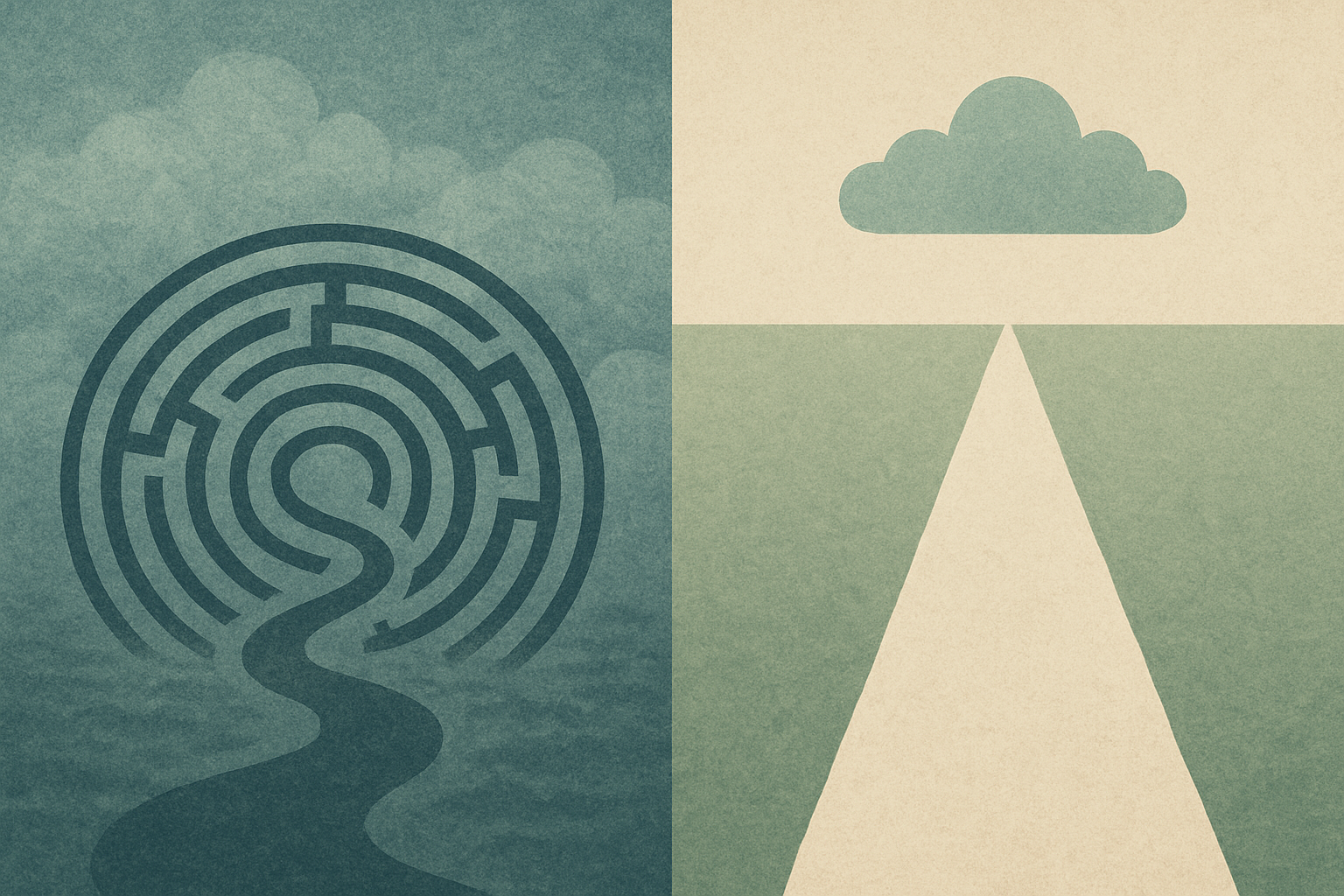
Avoiding or Coping?
When stress hits, we all reach for something. Sometimes it’s a grounding breath, and sometimes it’s a quick escape. Coping and avoidance can look surprisingly similar, but the impact they have on our well-being is very different. Coping helps us face what’s hard with support, intention, and small steps forward. Avoidance brings momentary relief but often leaves us feeling stuck, overwhelmed, or further away from what matters. This post explores how to tell the difference, why avoidance is so tempting, and how gentle shifts toward coping can create more clarity, confidence, and calm over time.
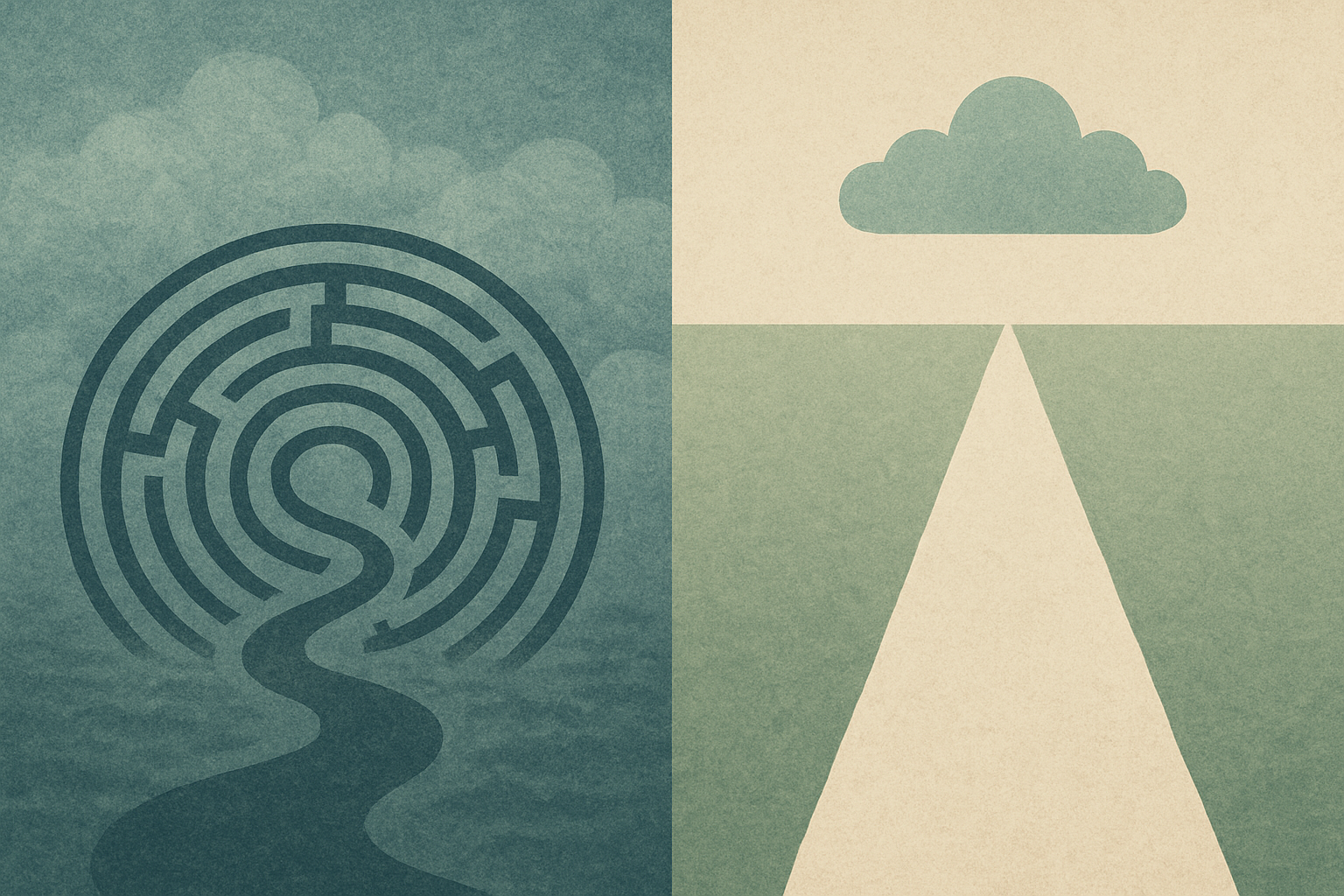
When stress hits, we all reach for something. Sometimes it’s a grounding breath, and sometimes it’s a quick escape. Coping and avoidance can look surprisingly similar, but the impact they have on our well-being is very different. Coping helps us face what’s hard with support, intention, and small steps forward. Avoidance brings momentary relief but often leaves us feeling stuck, overwhelmed, or further away from what matters.
At Gather Clinical Counselling, this topic often comes up with our clients. This post explores how to tell the difference, why avoidance is so tempting, and how gentle shifts toward coping can create more clarity, confidence, and calm over time.
Coping or Avoiding: Which is Your Go-To?
Hands up if you know what it’s like to hit a stressful moment and immediately reach for your phone or grab a cookie or scream into your pillow or start furiously cleaning the bathroom. Our hands are up for sure!
Sometimes we take a deep breath, talk to someone we trust, or face the situation head-on. Other times, we grab the laptop, switch on a show, scroll for a while, or mentally check out.
Both reactions bring temporary relief. The tricky part is that, on the surface, coping and avoidance can look almost identical. But they’re not the same, and learning the difference can make a huge impact on your well-being.
What is Coping?
Coping is what helps us stand in the same space as our stress without being overwhelmed by it. It’s anything that helps us manage our feelings, understand what’s going on, or take a step forward.
Healthy coping might look like:
Talking things out instead of bottling them up
Making a plan for something that feels unmanageable
Taking time to regulate body and/or breath
Finding meaning or perspective in the situation
Coping doesn’t mean we feel calm right away. It just means we’re engaging with the problem, either emotionally or practically, rather than running from it.
Over time, coping tends to make us feel more grounded, more capable, and more connected to ourselves.
What is Avoidance?
Avoidance is the opposite. It’s not about working with the stress; it’s about stepping around it. That work around can feel comforting in the moment, which is why so many of us rely on it.
Avoidance often shows up as:
Procrastinating on something we know needs attention
Keeping ourselves busy so we don’t have to think
Numbing out with screens, food, substances, or sleep
Steering clear of certain conversations or places
Avoidance buys short-term relief at a long-term cost. The thing being avoided tends to grow heavier, scarier, or more complicated the longer it stays untouched.
This doesn’t happen because we’re “doing it wrong.” Avoidance is a human response. It’s our nervous system trying to keep us safe, at least in the short term. It just doesn’t usually pay off in the long run and can sometimes lead to more stress.
How Can You Tell Which One You’re Using?
You can check in with yourself about what might be happening. None of these questions are about judging yourself; they’re simply ways to notice what’s going on beneath the surface. Ask yourself:
1. Is this helping me move towards the issue or away from it?
Coping nudges you forward, even if it’s a tiny step. Avoidance helps you dodge the discomfort altogether.
2. Am I getting relief and some sense of progress? Or just relief?
If all you’re getting is a temporary breather with no clarity, plan, or emotional shift, it may be avoidance.
3. Does this feel intentional or automatic?
While coping often involves making a choice, avoidance is usually on autopilot.
4. How do I feel afterward?
After coping, people often feel steadier or more capable. After avoidance, it’s common to feel a bit stuck, guilty, or disconnected. Sometimes you may feel worse as the avoidance continues.
It is Tempting to Avoid
Avoidance gets a bad reputation, but it’s a protective reflex. When something feels threatening, emotionally or otherwise, our brains try to shield us from it, which is an ingrained neurological process that helps us when we are in immediate danger. Many people have heard of the fight-or-flight response and how our brains work to keep us safe in an immediately threatening situation. While this response may have served us well in the Stone Age, it doesn’t help in modern times. It doesn’t make the threat smaller; it just delays our encounter with it.
Stepping back can be fine. But it becomes a problem when it is the only strategy we employ.
Fight or Flight
Avoidance makes even more sense when we understand it as part of the fight or flight response. When our nervous system senses danger, whether it’s an actual threat or an uncomfortable feeling, it tries to help us escape. That’s why things like opening an email, having a difficult conversation, or feeling sadness can suddenly feel overwhelming.
From a trauma-informed perspective, this isn’t a failure; it’s protection. Our body may be reacting to old wounds or learned patterns. Avoidance is the nervous system saying, Let’s keep you safe. The problem is that we usually don’t need to be protected from emotional “threats,” and they don’t disappear when we avoid them.
Coping, on the other hand, teaches the nervous system that discomfort can be tolerated. Small, supported steps send the message: I can be with this feeling and still be safe.
To Shift from Avoidance to Coping, Start Small!
Here are a easier places to begin:
1. Name what’s happening
Sometimes just saying, “I’m anxious and trying to avoid this,” breaks the spell.
2. Shrink the task
If something feels too big, break it into pieces until the first step feels more manageable.
3. Approach the discomfort for a few minutes
You don’t have to dive in. Maybe you explore the feeling, read the unread email, or plan the conversation just for five minutes. Feelings are messages for us, and sometimes when we can sit in the feeling for a few minutes, it will fade or soften.
4. Build tolerance for uncomfortable emotions
Think of this step like building muscle. Grounding, breathwork, and other regulatory tools can help us stay present without feeling overwhelmed.
5. Seek support
Therapy is a safe space to unpack avoidance without shame and to learn coping tools that actually work.
You Are Not Alone
If you’ve been caught in a cycle of avoidance, you’re not alone. Many people try therapy when avoidance becomes exhausting or takes a toll (mentally, physically, in our interactions with others). It’s absolutely possible to build healthier, more sustainable coping strategies with support.
Is it time to ask for help to navigate this process?
Gather Clinical Counselling is here to support you. Reaching out is often the first real step towards feeling more grounded and more in control of your life.
Contact us to book a free consultation with one of our wonderful therapists, and learn more about the counselling process.

The Power of Routines
We talk a lot about mental health in our practice. The ups and downs, the coping skills, the big feelings. But one thing that often gets overlooked is how much the everyday stuff matters. How the small, steady things we do, like brushing our teeth, getting to bed on time, or making that first cup of coffee, quietly shape how we feel.
We talk a lot about mental health in our practice. The ups and downs, the coping skills, the big feelings. But one thing that often gets overlooked is how much the everyday stuff matters. How the small, steady things we do, like brushing our teeth, getting to bed on time, or making that first cup of coffee, quietly shape how we feel.
At Gather Clinical Counselling, we’ve seen time and time again that routines can be a powerful way to support mental health. They bring rhythm and steadiness to days that might otherwise feel scattered or stressful. Let’s take a closer look at why routines matter, and how to build ones that actually fit your life.
The Power of Routines for Mental Health
Sometimes we think of routines as boring, something that takes the fun or spontaneity out of life. But the truth is, routines aren’t meant to box us in. When done with intention, they actually give us freedom: freedom from stress, from chaos, and from the mental clutter that can weigh us down.
Whether you’re a teen juggling school, friends, and online life, or an adult trying to keep up with work, family, and responsibilities, having routines that support your mental health can make a real difference. Let’s explore why routines matter, how they affect your mental wellbeing, and how to build ones that truly serve you.
Why Routines Matter
Routines are the rhythm of daily life, the patterns that shape how we move through our days. Even when we don’t think we have routines, when we look closely, we find that we do. The time you reach for your phone in the morning, the route you take to work or school, when you eat, scroll, and rest. These are all small rituals!
The question isn’t whether you have routines, but whether they help you feel grounded and supported, or whether they leave you feeling drained and disconnected.
Healthy routines act as anchors. They give your mind and body signals that it’s time to focus, time to rest, or time to recharge. When life feels uncertain, whether it’s a stressful week, a big transition, or a tough mental health moment, routines can offer a sense of stability.
The Mental Health Benefits of Routine
Reduces anxiety and decision fatigue
Every day, we make hundreds of tiny decisions: what to wear, when to eat, whether to go for a walk or check social media. It adds up. Routines reduce the number of small choices you have to make, freeing up mental space. The more predictable your basic habits are, the more energy you have for creativity, problem-solving, and connection.Supports better sleep
Going to bed and waking up at consistent times helps regulate your body’s internal clock. A predictable sleep routine signals to your brain when it’s time to wind down, making it easier to fall asleep and wake feeling rested. If you’re interested in learning more about sleep routines, check out our blog or join our group Drift: Reset Your Sleep, if you’d like to explore healthy routines together.Improves focus and productivity
Routines create structure, which helps you build momentum. If you start your day with a few intentional habits, even simple ones like stretching or making your bed, your brain gets the message that it’s time to engage.Encourages self-care
When you build self-care into your routine, it’s less likely to slip through the cracks. A consistent morning walk, weekly therapy session, or scheduled downtime isn’t just “nice to have”. It becomes part of your rhythm, a signal to yourself that your wellbeing matters.Creates a sense of safety and control
During times of stress or uncertainty, routines can be soothing. They remind you that there are still things you can influence: your breath, your daily rituals, your choices. That sense of agency is powerful for mental health.
Routines vs. Rigid Schedules
It’s easy to confuse routine with rigidity. But a healthy routine isn’t about following a strict schedule down to the minute. It’s about consistency and intention, not perfection.
Rigid schedules can sometimes backfire, especially if you live with anxiety, ADHD, or depression. When life doesn’t go according to plan, it’s easy to feel like you’ve failed. Flexible routines, on the other hand, give structure and room for compassion.
Think of your routine as scaffolding rather than a box, something that supports you, not something that traps you.
How to Build a Routine That Works for You
Creating a routine that supports your mental health doesn’t mean overhauling your entire life. Start small. Choose one or two areas where a little consistency might help you feel more balanced. Here’s how to begin:
1. Start with what’s already working
Notice what parts of your day feel calm, grounded, or satisfying. Maybe you feel better after your morning coffee, journaling, a hot shower, or a short walk. Build on those moments.
2. Anchor your day around key points
Morning, mealtimes, and bedtime are natural anchors for routine. You might decide to add one simple ritual to each:
Morning: take a few deep breaths before checking your phone.
Afternoon: eat lunch away from your desk.
Evening: write down one thing you’re grateful for before bed.
3. Keep it realistic
Set yourself up for success. A five-minute routine you can keep is more valuable than a 30-minute one you abandon. If your goal is to meditate, start with three minutes. If you want to journal, start with one line.
4. Make it meaningful
Choose routines that connect you to your values. If creativity matters to you, make time to draw or write. If relationships are important, schedule regular time with friends or family. When routines reflect what you care about, they’re easier to stick with.
5. Be flexible
Life changes. Routines can, too. What works during the school year might shift in summer; what helps you during a stressful period might look different when things calm down. Revisit and adjust as needed.
When Routine Becomes a Pressure
Sometimes, even helpful routines can turn into another source of stress. You might feel guilty if you don’t stick to them, or anxious if something disrupts your plan.
If that happens, pause and take a gentle approach. The point of a routine isn’t to perform it perfectly; it’s to support your wellbeing. If you miss a day, it’s okay. You haven’t failed. You’ve just had a human moment!
You can always return to your rhythm or create a new one that fits where you are now.
Building Routines in Hard Times
When you’re struggling with depression, anxiety, grief, or burnout, even small tasks can feel overwhelming. In those times, routines can help, but they need to be especially gentle and flexible.
If you’re in a tough place, try this:
Focus on one small anchor. Pick a single action you can count on, like brushing your teeth, opening the curtains, or making your bed.
Pair it with compassion. Speak to yourself the way you would to a friend: “This is enough for today.”
Lean on support. If you have a therapist, mentor, or trusted friend, talk through what kind of structure feels doable. Sometimes, routines work best when they’re created together.
The Freedom Within Routine
It might sound paradoxical, but having a consistent structure actually creates space for more spontaneity and creativity. When the basics like sleep, nourishment, and self-care are taken care of, your mind is freer to explore and take healthy risks.
Routines give you a foundation, so when unexpected things happen (as they always do), you have something steady to return to. In this way, routines become a form of self-trust, a quiet promise to yourself that you’ll keep showing up, even in small ways.
A Few Questions to Reflect On
If you’d like to explore your relationship with routine, here are a few prompts to journal or think about:
What parts of my day help me feel calm or grounded?
Where do I feel rushed, scattered, or stuck?
What small change could make my day flow a little more smoothly?
How can I bring more compassion into the way I approach routine?
Your Routine, Your Way
Routines aren’t about living life on autopilot; they’re about creating rhythms that support your mental and emotional health. When done thoughtfully, they can help you feel more balanced, energized, and resilient.
So start small. Pick one moment in your day to make intentional. Build from there. Over time, those small, steady choices can add up to something powerful, a life that feels a little calmer, a little clearer, and a lot more your own.
We know that finding and keeping a routine isn’t always easy, especially when life feels unpredictable or heavy. But small, intentional steps can go a long way. You don’t have to do it perfectly, you just have to start where you are.
If you’d like some help creating routines that feel supportive rather than stressful, we’d love to work with you. Our therapists at Gather Clinical Counselling can help you find rhythms that fit your real life, not just your to-do list. Because the best routines aren’t about control, they’re about care.

Why We Sleep and How to Sleep Better
As counsellors practicing here in Victoria, we regularly see how deeply sleep affects our clients’ emotional resilience, mental clarity, and day-to-day functioning. Whether someone is navigating anxiety, depression, burnout, or stress, sleep is nearly always part of the conversation.
Clinical counsellors Laurie Parker and Theresa Jackson, based at Gather Clinical Counselling in Victoria, BC, combine neuroscience and therapeutic practices to offer a comprehensive look at sleep - how it works in the brain, why it matters for mental health, and what you can do when sleep isn’t coming easily.
As counsellors practicing here in Victoria, we regularly see how deeply sleep affects our clients’ emotional resilience, mental clarity, and day-to-day functioning. Whether someone is navigating anxiety, depression, burnout, or stress, sleep is nearly always part of the conversation.
A couple of weeks ago, we hosted a webinar focused on the importance of sleep, covering why it matters, how it impacts overall health, and practical tips for improving sleep quality.
If you missed it or would like to watch it again, you can view the full recording here: Watch the webinar.
This blog highlights the key insights from the webinar and offer guidance you can refer back to anytime. This post shares what we believe everyone should know about sleep and how small, consistent changes can make a big difference.
Everyone Struggles with Sleep Sometimes
Sleep difficulties–whether it’s trouble falling asleep, staying asleep, or waking up feeling unrested–are incredibly common. Factors like caffeine use, screen time, stress, and even inconsistent meal times can interfere with our natural sleep cycles. The good news is sleep patterns are changeable. By understanding the root causes and implementing consistent habits, most people can significantly improve their sleep quality.
One of the most overlooked contributors to sleep struggles is emotional and mental clutter. Unprocessed feelings or overwhelming thoughts can keep the mind active long after the body is ready for rest. Sometimes people carry the weight of unresolved stress or trauma, which affects their ability to fall or stay asleep.
Being aware of this and gently addressing these emotional undercurrents through therapy or self-reflection can often release that barrier to better rest.
What’s Happening in the Brain When We Sleep?
Understanding the science behind sleep can help demystify it and offer tools to work with your body, not against it. (Check out this great book by Dr. Matthew Walker - we highly recommend it!)
Circadian Rhythm
Our bodies operate on a natural twenty-four-hour cycle known as the circadian rhythm, which is largely regulated by light exposure. When daylight fades, our brain begins producing melatonin, a hormone that signals it’s time to wind down. Exposure to natural light early in the day helps anchor this rhythm and support better sleep at night.
Sleep Pressure
As the day goes on, a substance called adenosine builds up in the brain. This chemical creates the feeling of sleep pressure–the longer we’re awake, the more pressure we feel to sleep. Caffeine blocks adenosine receptors, which is why it can make us feel alert, but it doesn’t remove adenosine itself. That’s why caffeine consumed later in the day (even as early as mid-afternoon) can interfere with falling asleep hours later.
REM and Non-REM Sleep
Sleep unfolds in cycles that move between non-REM and REM (rapid eye movement) stages:
Non-REM sleep supports physical healing, immune function, energy restoration, and memory organization.
REM sleep is essential for emotional processing, learning, and creativity.
Both types of sleep are necessary for mental and physical health. Sleep cycles repeat multiple times per night, and brief awakenings between them are completely normal. But when we don’t get enough total sleep, we miss out on these restorative phases.
The Nervous System and Sleep: A Closer Look
An often overlooked aspect of sleep involves how our nervous system responds throughout the day and night. The autonomic nervous system, which regulates involuntary bodily functions, has two main branches: the sympathetic nervous system (responsible for fight-or-flight responses) and the parasympathetic nervous system (which supports rest and digestion). For restorative sleep, the parasympathetic system needs to be more active than the sympathetic nervous system.
Stress, anxiety, or trauma can keep the sympathetic nervous system activated, making it difficult to relax enough for sleep. This heightened state can result in a racing heart, tense muscles, and intrusive thoughts, none of which promote rest.
As counsellors, we help clients use therapy techniques such as mindfulness, breathing exercises, or somatic therapies that calm the nervous system, shift the balance back to relaxation, and improve sleep quality over time.
Why Sleep Matters for Mental Health
Sleep plays a vital role in emotional regulation. When we’re well-rested, our amygdala (the part of the brain responsible for processing emotions) is less reactive. Our prefrontal cortex, which helps us think logically and make decisions, also functions more effectively when we’re not sleep-deprived.
We regularly see how improved sleep supports:
Better concentration and focus
Greater emotional resilience
Lower stress reactivity
Improved problem-solving and decision-making
On the flip side, chronic sleep deprivation can increase the risk of anxiety, depression, irritability, and emotional sensitivity. It can also worsen symptoms of existing mental health challenges.
Sleep also plays a vital role in memory consolidation and creativity. When well-rested, people are better able to make connections between ideas and come up with innovative solutions, a process that happens during REM sleep.
The Impact of Sleep on Physical Health and Immunity
While mental health is often the focus, sleep’s influence on physical health is just as significant. During deep sleep stages, the body performs essential restorative processes such as tissue repair, muscle growth, and hormone regulation. Poor sleep weakens the immune system, making us more susceptible to infections and slower to recover from illness.
In our counselling practice here in Victoria, BC, we sometimes see clients whose physical health struggles, such as chronic pain or autoimmune conditions, are compounded by poor sleep. Supporting better sleep is, therefore, a crucial part of holistic healing.
Tips for Improving Sleep
Many people find that small, consistent changes in daily habits can make a big impact on their sleep. Here are some strategies we often recommend in therapy at Gather Clinical Counselling:
Get sunlight early in the day (ideally within the first hour of waking) to help reset your circadian rhythm.
Eat and hydrate regularly to help your body stay in sync.
Avoid caffeine after midday, and limit alcohol in the evenings. While it may help you fall asleep faster, it disrupts the deeper stages of sleep.
Create a calming bedtime routine that helps your body and brain prepare for rest.
Keep your sleep environment cool, dark, and quiet. These physical cues support deeper sleep.
Stick to consistent sleep and wake times, even on weekends.
Limit screen use before bed, as blue light suppresses melatonin and delays sleep.
Try short naps (under thirty minutes) if you need rest during the day, but avoid long naps that can interfere with nighttime sleep.
Beyond these basics, some people find it helpful to journal before bed because writing down worries or to-do lists can offload mental clutter. Others benefit from gentle yoga or stretching to release physical tension.
Advanced Sleep Strategies
For those who want to go beyond the basics, here are some evidence-based techniques that can support more restful sleep:
Cognitive shuffling: This technique involves thinking of random, unrelated words or images to distract your mind from anxious or racing thoughts at bedtime.
Caffeine naps (“nappuccinos”): Drink a small cup of coffee or tea, then nap for fifteen to twenty minutes. You’ll often wake up just as the caffeine kicks in, feeling more refreshed.
Progressive muscle relaxation or body scans: These practices guide you to release physical tension, which can make it easier to fall asleep.
Warm shower before bed: Warming your body slightly and then stepping into a cooler room helps signal to your brain that it’s time to rest.
Grounding techniques: Feeling the texture of a blanket or focusing on your breath can help your body and mind anchor in the present moment and step away from future worries.
The Role of Routine and Ritual in Supporting Sleep
Humans are creatures of habit. Our nervous systems and brains thrive on predictability, which is why routines and rituals before bed can have such a profound impact on sleep. This is something we do really well as children (bath, book, bed anyone?) but seem to lose the habit as we grow up. Simple actions repeated consistently send signals to your brain that it’s time to slow down and prepare for rest.
These rituals can be anything that feels soothing and calming. Try reading a favourite book, listening to gentle music, meditating, or sipping caffeine-free herbal tea. The key is consistency and making the ritual enjoyable rather than stressful.
We often encourage clients to design a personalized “wind-down” routine that honours their preferences and lifestyle rather than forcing a rigid schedule that might cause more frustration.
Sleep and Technology: Finding Balance in a Digital Age
In today’s world, technology is one of the biggest disruptors of sleep. While screens provide connection and information, the blue light emitted interferes with melatonin production and delays sleep onset. We recommend creating a “technology curfew” at least an hour before bed. For those who rely on devices for work or communication, adjusting screen settings to warmer tones in the evening or using blue-light-blocking glasses can help mitigate impact.
Technology also directly takes time away from sleep. If you get caught up in a movie or scrolling on your phone, that is time you are not sleeping. It can also be stimulating, which engages our minds in a way that is not conducive to sleep. Consider swapping screen time for more sensory or tactile activities in the evening, such as journaling or mindful colouring, which help calm the mind without overstimulating it.
When to Seek Professional Help
If you’ve already tried improving your sleep habits and are still struggling, it might be time to reach out for professional support. At Gather Clinical Counselling in Victoria, BC, we use approaches like Cognitive Behavioural Therapy (CBT), mindfulness-based strategies, and trauma-informed care to explore the underlying factors contributing to sleep difficulties. (If you’re interested in learning more, check out this CBC Radio program).
Sleep issues can also be linked with concerns such as anxiety, depression, or post-traumatic stress. By addressing these root causes, many people find that not only does their mental health improve, so does the quality of their sleep.
We invite anyone in the Victoria community who is feeling stuck or overwhelmed by sleep challenges to contact Gather Clinical Counselling for tailored support.
Small Changes, Better Sleep
Sleep isn’t a luxury; it’s a foundation for mental, emotional, and physical well-being. Whether you’re hoping to boost your mood, improve focus, or simply feel more like yourself again, working on your sleep can be a powerful first step.
You don’t need a perfect routine, just one that’s realistic and consistent for you. At Gather Clinical Counselling in Victoria, BC, we support clients in understanding their sleep challenges and developing tools that actually work. If you’re feeling stuck or overwhelmed, you don’t have to navigate it alone. Sleep can improve, and we’d be glad to help you get started. If you’re interested, click here to reach out to book a free consultation with one of our counsellors today.