
Avoiding or Coping?
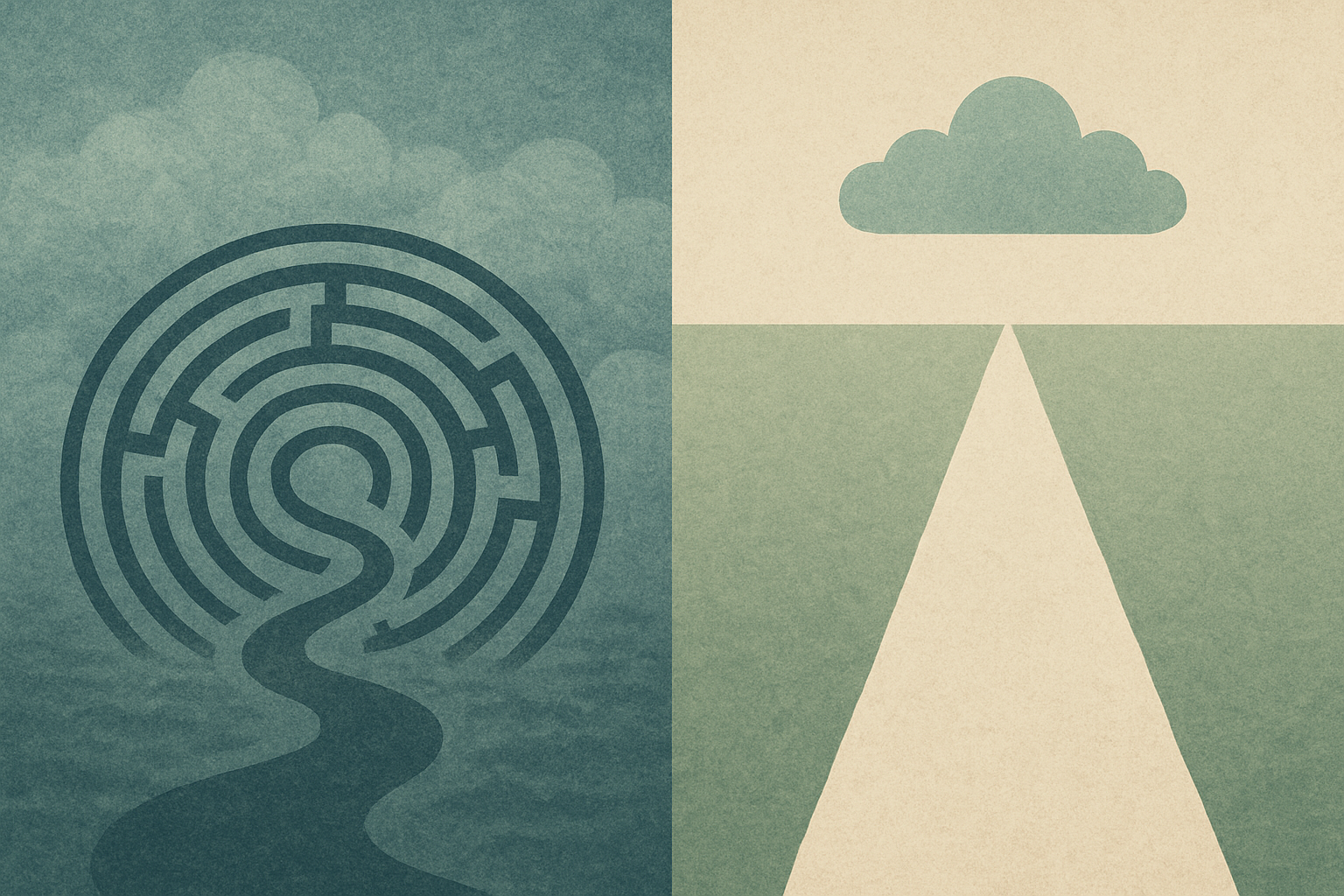
When stress hits, we all reach for something. Sometimes it’s a grounding breath, and sometimes it’s a quick escape. Coping and avoidance can look surprisingly similar, but the impact they have on our well-being is very different. Coping helps us face what’s hard with support, intention, and small steps forward. Avoidance brings momentary relief but often leaves us feeling stuck, overwhelmed, or further away from what matters.
At Gather Clinical Counselling, this topic often comes up with our clients. This post explores how to tell the difference, why avoidance is so tempting, and how gentle shifts toward coping can create more clarity, confidence, and calm over time.
Coping or Avoiding: Which is Your Go-To?
Hands up if you know what it’s like to hit a stressful moment and immediately reach for your phone or grab a cookie or scream into your pillow or start furiously cleaning the bathroom. Our hands are up for sure!
Sometimes we take a deep breath, talk to someone we trust, or face the situation head-on. Other times, we grab the laptop, switch on a show, scroll for a while, or mentally check out.
Both reactions bring temporary relief. The tricky part is that, on the surface, coping and avoidance can look almost identical. But they’re not the same, and learning the difference can make a huge impact on your well-being.
What is Coping?
Coping is what helps us stand in the same space as our stress without being overwhelmed by it. It’s anything that helps us manage our feelings, understand what’s going on, or take a step forward.
Healthy coping might look like:
Talking things out instead of bottling them up
Making a plan for something that feels unmanageable
Taking time to regulate body and/or breath
Finding meaning or perspective in the situation
Coping doesn’t mean we feel calm right away. It just means we’re engaging with the problem, either emotionally or practically, rather than running from it.
Over time, coping tends to make us feel more grounded, more capable, and more connected to ourselves.
What is Avoidance?
Avoidance is the opposite. It’s not about working with the stress; it’s about stepping around it. That work around can feel comforting in the moment, which is why so many of us rely on it.
Avoidance often shows up as:
Procrastinating on something we know needs attention
Keeping ourselves busy so we don’t have to think
Numbing out with screens, food, substances, or sleep
Steering clear of certain conversations or places
Avoidance buys short-term relief at a long-term cost. The thing being avoided tends to grow heavier, scarier, or more complicated the longer it stays untouched.
This doesn’t happen because we’re “doing it wrong.” Avoidance is a human response. It’s our nervous system trying to keep us safe, at least in the short term. It just doesn’t usually pay off in the long run and can sometimes lead to more stress.
How Can You Tell Which One You’re Using?
You can check in with yourself about what might be happening. None of these questions are about judging yourself; they’re simply ways to notice what’s going on beneath the surface. Ask yourself:
1. Is this helping me move towards the issue or away from it?
Coping nudges you forward, even if it’s a tiny step. Avoidance helps you dodge the discomfort altogether.
2. Am I getting relief and some sense of progress? Or just relief?
If all you’re getting is a temporary breather with no clarity, plan, or emotional shift, it may be avoidance.
3. Does this feel intentional or automatic?
While coping often involves making a choice, avoidance is usually on autopilot.
4. How do I feel afterward?
After coping, people often feel steadier or more capable. After avoidance, it’s common to feel a bit stuck, guilty, or disconnected. Sometimes you may feel worse as the avoidance continues.
It is Tempting to Avoid
Avoidance gets a bad reputation, but it’s a protective reflex. When something feels threatening, emotionally or otherwise, our brains try to shield us from it, which is an ingrained neurological process that helps us when we are in immediate danger. Many people have heard of the fight-or-flight response and how our brains work to keep us safe in an immediately threatening situation. While this response may have served us well in the Stone Age, it doesn’t help in modern times. It doesn’t make the threat smaller; it just delays our encounter with it.
Stepping back can be fine. But it becomes a problem when it is the only strategy we employ.
Fight or Flight
Avoidance makes even more sense when we understand it as part of the fight or flight response. When our nervous system senses danger, whether it’s an actual threat or an uncomfortable feeling, it tries to help us escape. That’s why things like opening an email, having a difficult conversation, or feeling sadness can suddenly feel overwhelming.
From a trauma-informed perspective, this isn’t a failure; it’s protection. Our body may be reacting to old wounds or learned patterns. Avoidance is the nervous system saying, Let’s keep you safe. The problem is that we usually don’t need to be protected from emotional “threats,” and they don’t disappear when we avoid them.
Coping, on the other hand, teaches the nervous system that discomfort can be tolerated. Small, supported steps send the message: I can be with this feeling and still be safe.
To Shift from Avoidance to Coping, Start Small!
Here are a easier places to begin:
1. Name what’s happening
Sometimes just saying, “I’m anxious and trying to avoid this,” breaks the spell.
2. Shrink the task
If something feels too big, break it into pieces until the first step feels more manageable.
3. Approach the discomfort for a few minutes
You don’t have to dive in. Maybe you explore the feeling, read the unread email, or plan the conversation just for five minutes. Feelings are messages for us, and sometimes when we can sit in the feeling for a few minutes, it will fade or soften.
4. Build tolerance for uncomfortable emotions
Think of this step like building muscle. Grounding, breathwork, and other regulatory tools can help us stay present without feeling overwhelmed.
5. Seek support
Therapy is a safe space to unpack avoidance without shame and to learn coping tools that actually work.
You Are Not Alone
If you’ve been caught in a cycle of avoidance, you’re not alone. Many people try therapy when avoidance becomes exhausting or takes a toll (mentally, physically, in our interactions with others). It’s absolutely possible to build healthier, more sustainable coping strategies with support.
Is it time to ask for help to navigate this process?
Gather Clinical Counselling is here to support you. Reaching out is often the first real step towards feeling more grounded and more in control of your life.
Contact us to book a free consultation with one of our wonderful therapists, and learn more about the counselling process.